




May 25, 2021

Comment le capitalisme des parties prenantes redéfinit la responsabilité des dirigeants

La gouvernance d’entreprise est en train de vivre un changement de paradigme, au point que des leaders majeurs du monde politique et des affaires préconisent de transformer le système existant. De quoi s’agit-il ? Ni plus ni moins que de passer du “capitalisme de l’actionnaire” à une responsabilité vis-à-vis de l’ensemble des parties prenantes de […]

Comment le capitalisme des parties prenantes redéfinit la responsabilité des dirigeants Read More »

How multi-stakeholder capitalism is reshaping business governance and CEOs accountability

How multi-stakeholder capitalism is reshaping business governance and CEOs accountability

There is a paradigm shift in progress these days in corporate governance. It is going mainstream to the extent that major global business and political leaders advocate a change in the existing corporate model. The new paradigm is about moving from shareholder capitalism to stakeholder responsibility, from short-term to long-term thinking. All eyes are put

How multi-stakeholder capitalism is reshaping business governance and CEOs accountability Read More »

(Ré-)engager les collaborateurs en situation de crise : les enseignements de Maslow.

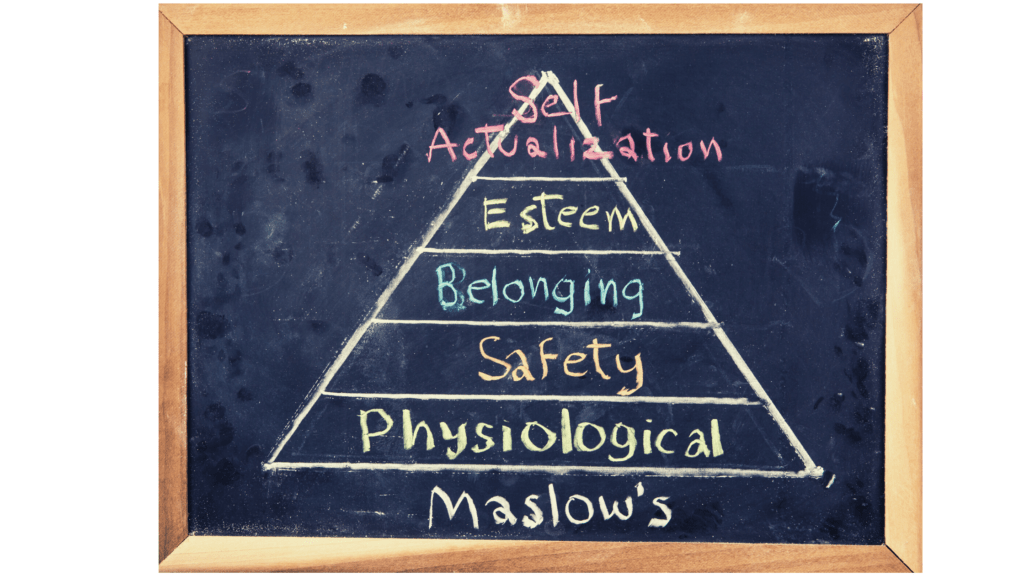
Each individual experiences a crisis differently. Our research on COVID19 impact on the employer-employee relationships highlights it. How then mobilize teams if the ones see a crisis as a major source of risks, whereas the others perceive in it a bunch of opportunities? What does it mean for companies and managers when it comes to engage or re-engage employees? Aligning teams around the organization’s purpose is a powerful answer to these questions. But diving back into Maslow hierarchy of motivations beforehand is key to avoid any strategic unconsistency or reputation damage.

(Ré-)engager les collaborateurs en situation de crise : les enseignements de Maslow. Read More »

Maslow's Hierarchy of Needs

Purpose in VUCA times : Reviving Maslow hierarchy of needs to engage employees

Each individual experiences a crisis differently. Our research on COVID19 impact on the employer-employee relationships highlights it. How then mobilize teams if the ones see a crisis as a major source of risks, whereas the others perceive in it a bunch of opportunities? What does it mean for companies and managers when it comes to engage or re-engage employees? Aligning teams around the organization’s purpose is a powerful answer to these questions. But diving back into Maslow hierarchy of motivations beforehand is key to avoid any strategic unconsistency or reputation damage.

Purpose in VUCA times : Reviving Maslow hierarchy of needs to engage employees Read More »

Why make Diversity & Inclusion a business priority?

Why make Diversity & Inclusion a business priority?

Much talk, little action. These words sum up the growing interest in diversity and inclusion in corporate statements, combined with companies’ failure in improving fairness in their governance and structures. As evidenced by statistics, only 15% of companies in Europe treat diversity and inclusion as business and organizational issues. But civil society’s pressing demand towards institutions to better represent it in the decisions that collectively and individually impact citizens, cannot be overlooked. Neither by governments nor by the private sector, which should focus on the proven benefits of diversity and collective intelligence on performance to move forward.

Why make Diversity & Inclusion a business priority? Read More »

Scroll to Top